Learn Cybersecurity with a Network Vulnerability Simulator
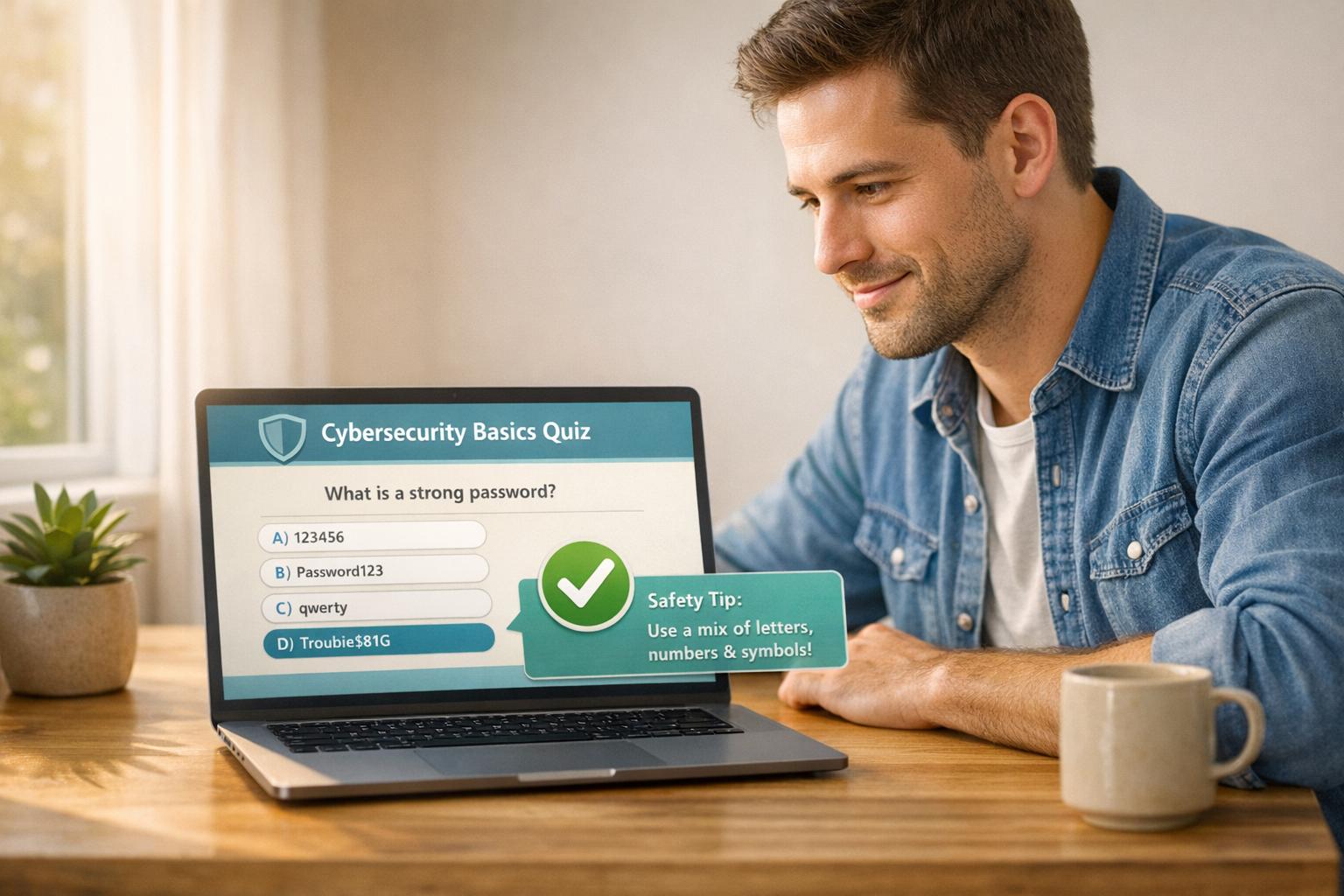
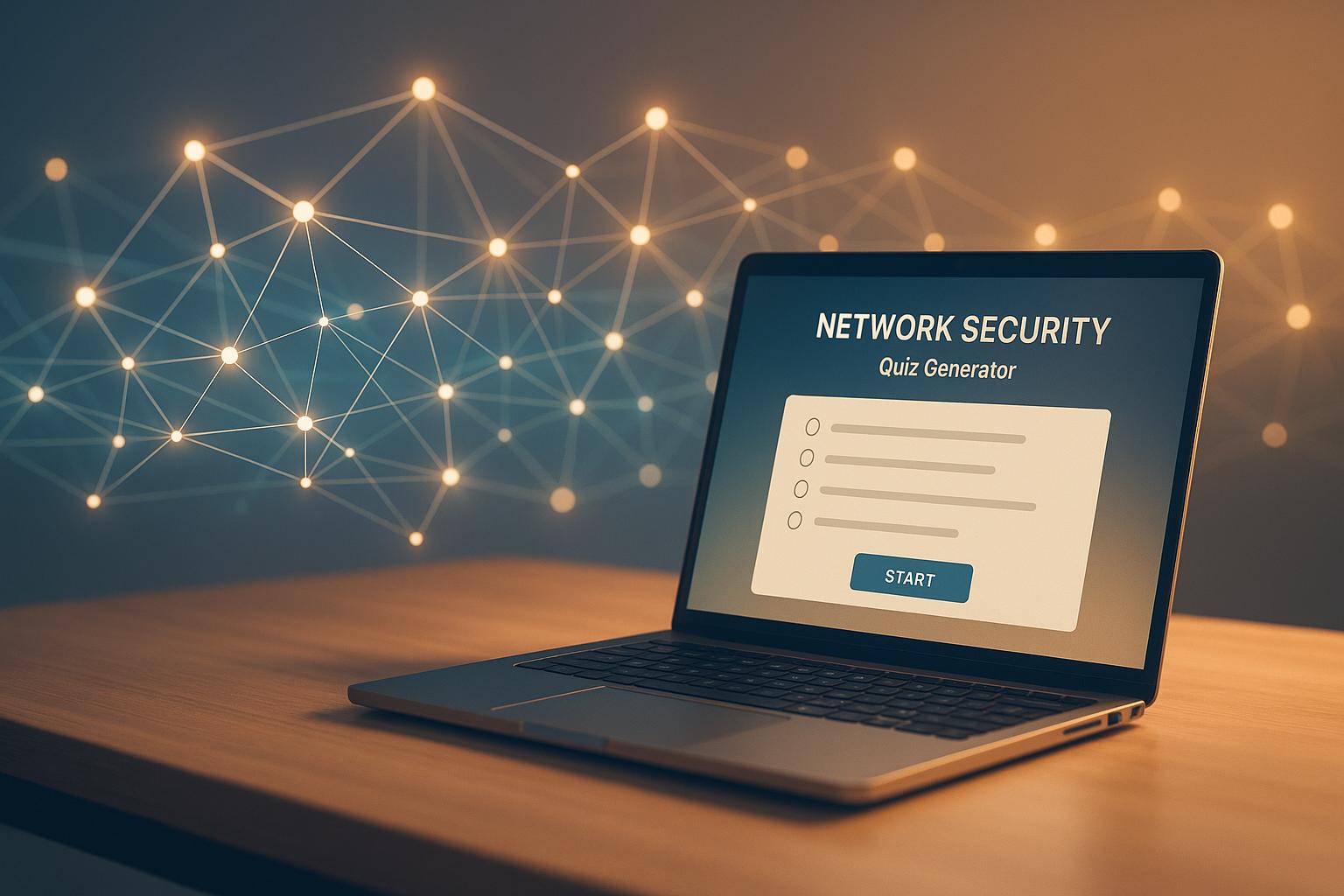
If you’re stepping into the world of cybersecurity, understanding how networks can be at risk is a crucial first step. A network vulnerability simulator offers a unique, hands-on way to explore potential threats without touching real systems. Tools like these create fictional scenarios that mimic issues such as outdated software or unsecured ports, helping beginners and pros alike grasp the basics of digital defense.
Why Use a Simulation Tool?
Simulations are a fantastic bridge between theory and practice. They let you see what a cyber risk assessment might look like—think of it as a sandbox for learning. For instance, by inputting a made-up IP address, you can generate a report that highlights mock weaknesses and suggests fixes. This kind of experience builds confidence and knowledge, especially for students or hobbyists who might not have access to real-world testing environments. Plus, it’s risk-free!
Start Exploring Today
Whether you’re studying for a certification or just curious about online safety, tools that replicate network scanning processes are invaluable. They demystify complex topics and make learning interactive. Dive in and discover how easy it can be to understand digital vulnerabilities with the right resources at your fingertips.
FAQs
Is this a real network scanner?
Nope, not at all! This is purely a simulator designed for educational purposes. It doesn’t interact with real networks or devices. Instead, it generates fictional scan results based on common vulnerability scenarios to help you learn about cybersecurity in a safe environment.
Who can benefit from this simulator?
This tool is great for anyone curious about network security—think students, aspiring IT pros, or even teachers looking for a classroom resource. It breaks down complex concepts into easy-to-grasp reports, so you don’t need to be a tech wizard to get started. If you’ve ever wondered how vulnerabilities are spotted, this is for you!
How accurate are the mock vulnerability reports?
While the reports aren’t based on real scans, they’re crafted to reflect realistic scenarios like open ports or weak passwords. We’ve based the issues on common problems seen in the cybersecurity world, paired with practical advice. It’s a solid starting point for learning, though real-world scanning tools would provide deeper, specific insights.